Fields
Single-photon skyrmion topology transferred between entangled photons
Researchers used a silicon-nitride photonic chip to transfer the topology of a single-photon quantum skyrmion to an entangled photon pair.
The James Webb Space Telescope has identified XLSSC 122, a galaxy cluster 10.4 billion light-years away, as the most distant known to exhibit strong gravitational lensing. Its dense core and mature structure, observed during cosmic noon, challenge current models of how massive cosmic structures form.
Researchers used a silicon-nitride photonic chip to transfer the topology of a single-photon quantum skyrmion to an entangled photon pair.

A theoretical study finds the universe's physical constants must allow liquids to flow for life to exist, while separate research derives Einstein's equations from quantum information principles.

A kinetic art exhibition at the University of Strathclyde uses 16 spinning aluminium panels to create visual analogies for quantum superposition and entanglement.
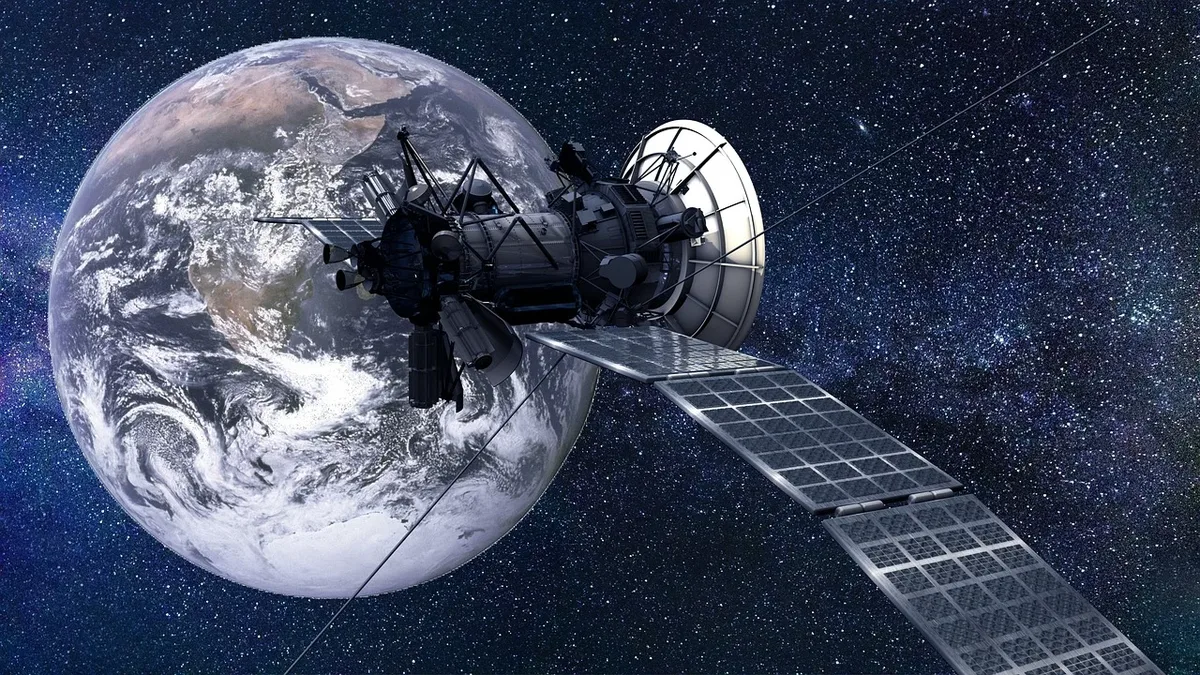
The Einstein Probe satellite observed nearly ten minutes of soft X-ray emission following a short gamma-ray burst from a neutron star merger, revealing a hidden stage of activity likely powered by a magnetar remnant.
Two independent research teams have created the first working nuclear clocks by using narrow-linewidth lasers to drive a transition in thorium-229 nuclei embedded in crystals, achieving record stability for new physics searches.
The IceCube Neutrino Observatory has detected high-energy neutrinos from a distant galaxy in the constellation Orion, validating its pioneering design.

Francis Halzen has been awarded the 2026 Nobel Prize in Physics for his pioneering work on the IceCube Neutrino Observatory.

A study for the proposed FCC-ee collider details a method for simultaneously measuring Higgs boson decays to WW and ZZ particles with high precision, targeting uncertainties as low as 1.48%.
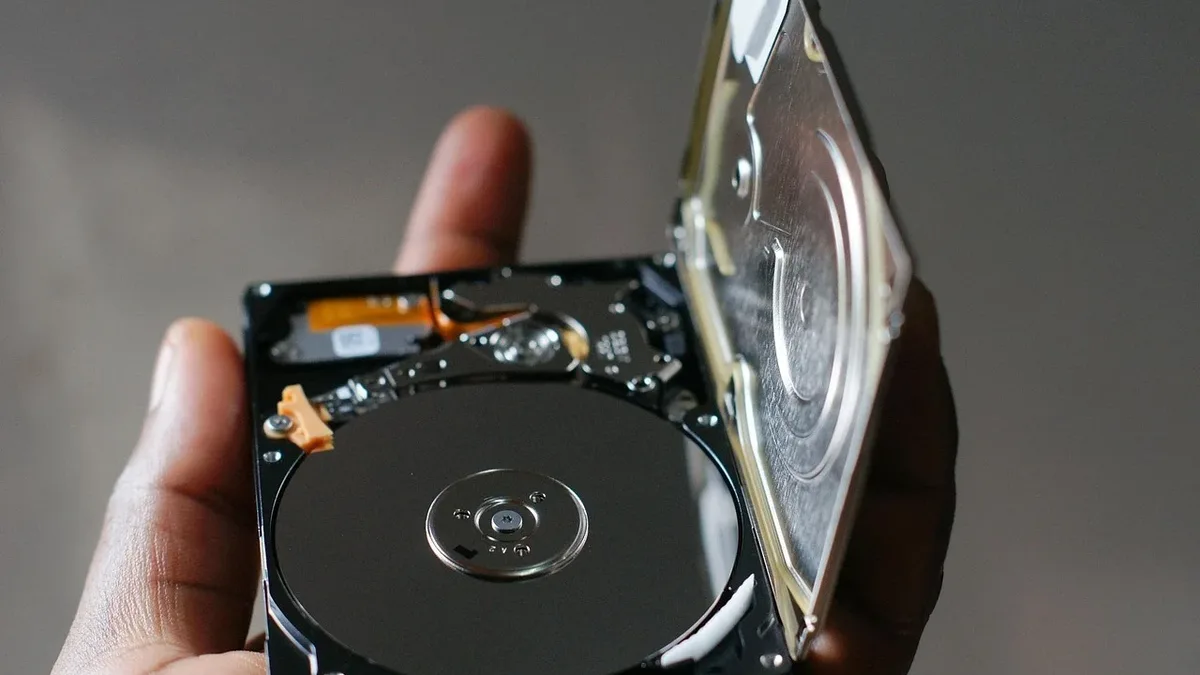
Researchers discovered spontaneous internal magnetic fields in the type I superconductor YbSb₂.
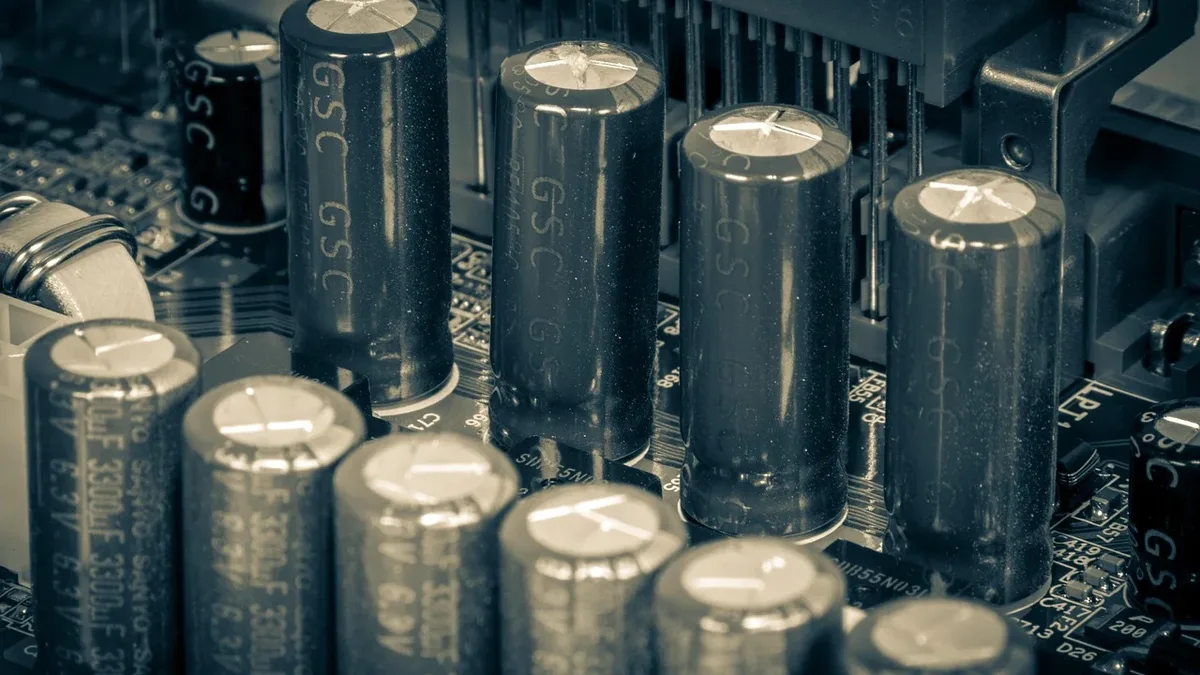
The first particle accelerator, built by Cockcroft and Walton in 1932, used 800,000 volts to split lithium atoms.
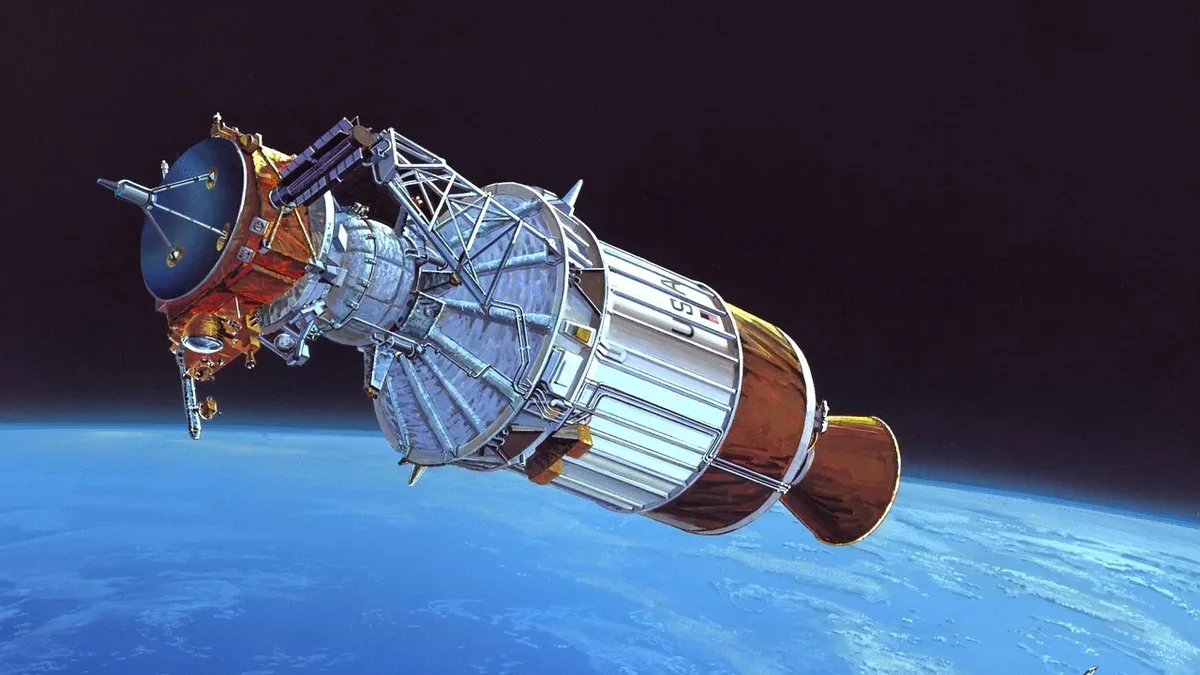
A quantum photonic processor launched in June 2025 has successfully observed two-photon interference in low Earth orbit.
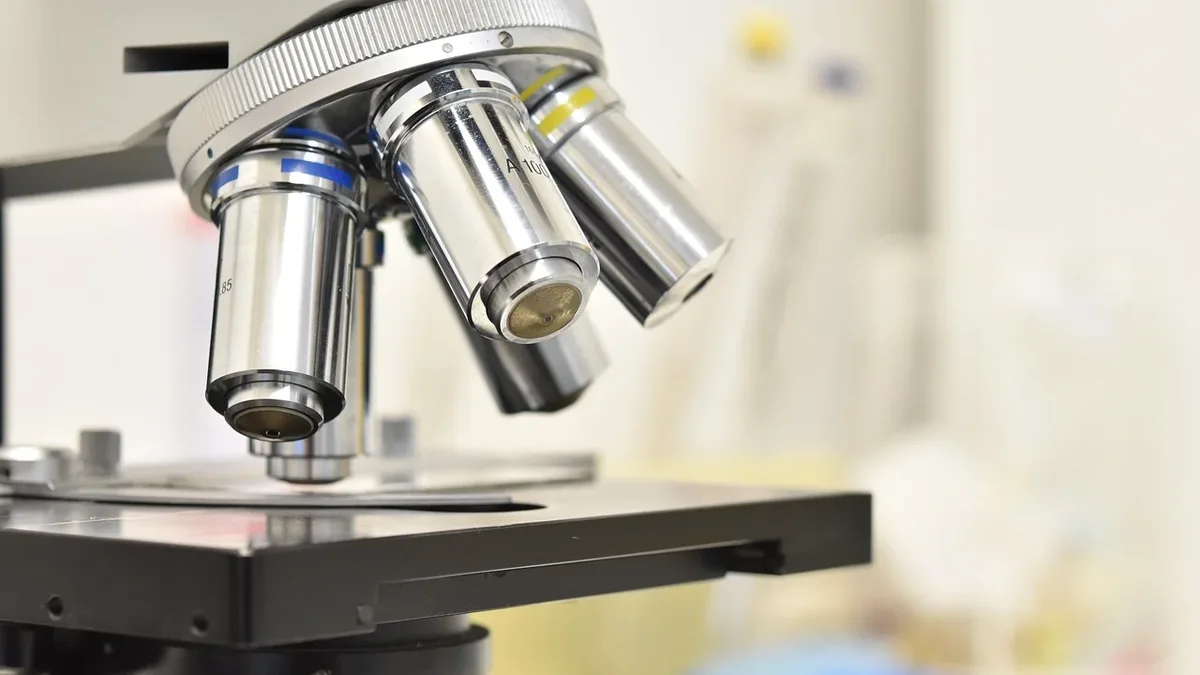
A new multiscale imaging method combining X-ray scattering and polarized light reveals how anisotropic nanoparticles influence transitional flow.

Electroweak unification

Special Relativity · Michelson–Morley experiment (1887)

Electronic band structure of solids · Energy and momentum of photoelectrons...


String theory · Ashoke Sen's conjecture on the entropy of...


Physics as a concept plus the experiment or observation that tests it. Fields and Concepts carry the explanation, Experiments & facilities cover the instruments doing the work, Results & debates follow what has been claimed and contested, and Learning & careers covers study and jobs. There is no separate news section, because new results appear inside Results & debates.
For a reader who wants the concept explained properly rather than simplified into metaphor, without assuming a degree. Where a result needs mathematics to mean anything, the piece says so instead of pretending otherwise.
From journals, preprint servers, laboratory announcements and named science publications, credited and linked in each piece. A finding is reported with the collaboration or paper that produced it named, and its significance is described as the source described it.
By reporting it as provisional in the first place and correcting it afterwards. Preprints and conference results are labelled as such, and Results & debates exists because contested findings are normal in physics rather than embarrassing.
Nobody by name. Pieces are written with automated assistance from the source material, and the journal or publication behind each one is credited in place of an author. Nobody here is presented as a physicist.
None. No cookies, no analytics, no advertising and nothing loaded from a third-party host.